Reverse engineering with 3D scanners
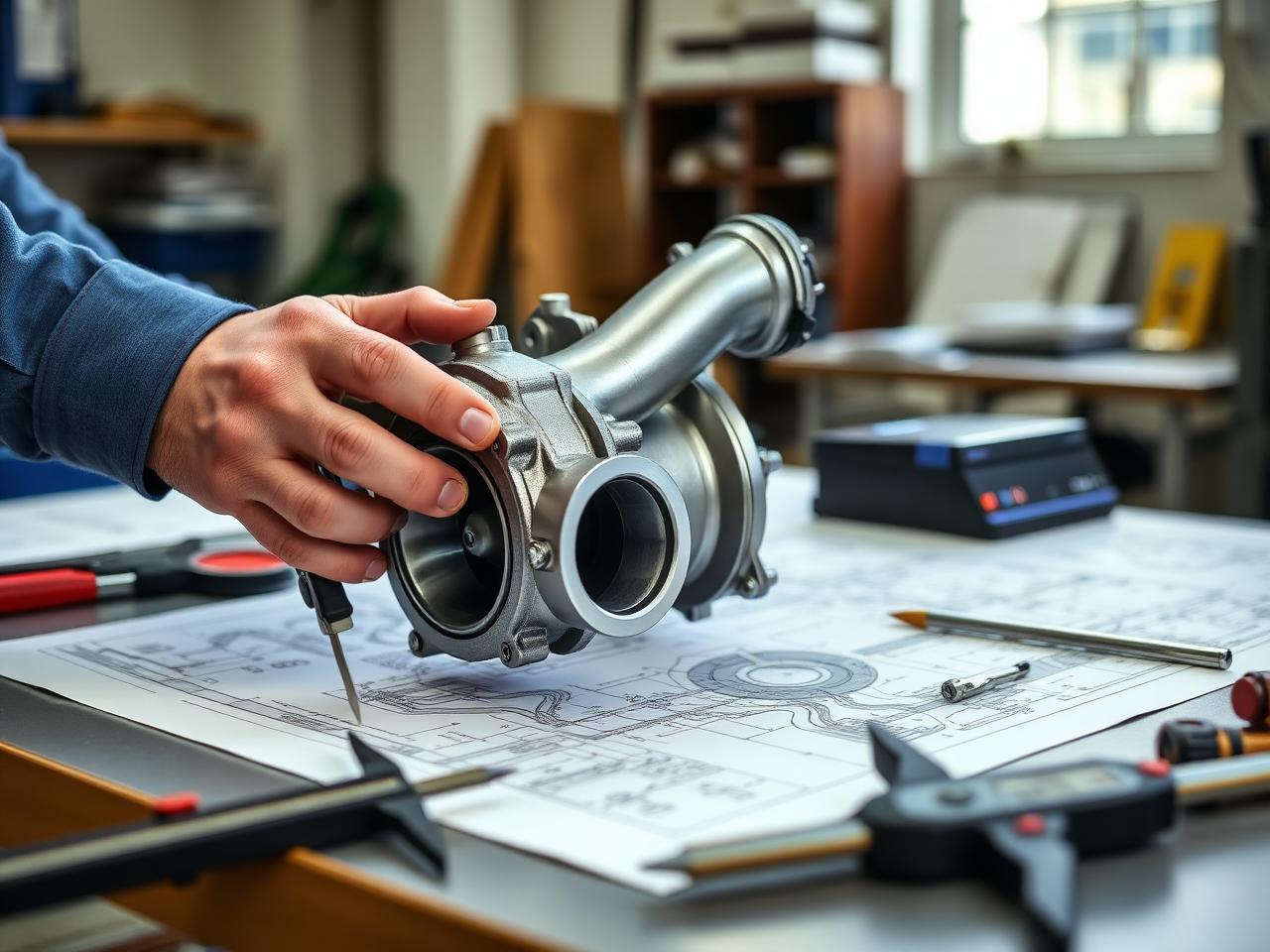
Reverse engineering starts with an accurate 3D scan of an existing part. A professional Shining 3D EinScan scanner captures shape, dimensions and surfaces in minutes, ready to be converted into an editable CAD model.
Why 3D scanning for reverse engineering?
Measuring complex geometry by hand is slow and error-prone. A 3D scan captures millions of points at metrology-grade accuracy, so castings, milled parts and organic shapes can be reproduced exactly. The EinScan Rigil combines blue laser and infrared VCSEL and even scans dark or shiny surfaces without spray.
From scan to CAD model
After scanning, software such as Geomagic Design X, SolidWorks or Fusion 360 converts the mesh into features and surfaces. This yields a fully editable parametric model for redesign, improvement or spare-part production.
Typical use cases
Spare parts for classic cars and industrial machines, redesign of castings, adapting housings to existing PCBs, digitising moulds and dies, and documenting legacy products with no drawings.
Recommended scanners for this application
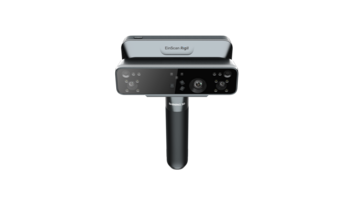
Shining EinScan Rigil
The Shining 3D EinScan Rigil series combines wireless freedom, hybrid light technology and three scan modes for fast, highly accurate 3D scans.
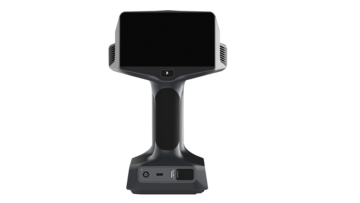
Shining EinScan Libre
Wireless 3D scanner with touchscreen and high accuracy. Quickly scans large objects and fine details, even on dark or reflective surfaces.
Related applications
3D scanning enables a fast and complete dimensional check of produced parts. A colour-coded deviation report against the CAD reference immediately reveals where tolerances are exceeded — far more complete than callipers or single-point CMM measurements.
From accessory to full enclosure: 3D scanning accelerates design whenever you have to work around an existing shape — a human body, a vehicle interior, a historical part or an already-built prototype.
3D scanning has become standard practice in museums, restoration studios and archaeological projects. Contact-free, safe for fragile objects, and with full colour and texture capture.
3D scanning replaces plaster and manual moulds in modern orthopaedics and prosthetics. Faster, more hygienic and more comfortable for the patient — and immediately available digitally for CAD and 3D printing.